
 By
By 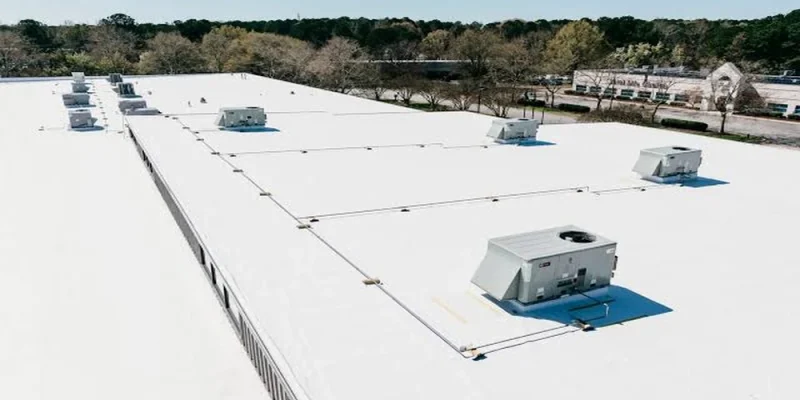
Large facilities need roof systems that can cover wide areas while handling regular wear. Flat roofing suits broad commercial structures because its low profile supports practical planning and access. A suitable design should account for drainage, insulation, equipment placement, repairs, and changes. Strong planning can reduce disruption and help owners manage building costs over time with commercial roofing with rolands roofing.
Planning Large Roof Areas
Wide buildings require careful planning before installation begins. A clear layout helps teams position drains, access points and equipment safely. Building loads should also be checked where heavy units are placed above occupied areas. Good records make future maintenance easier when building use changes over time. Proper roofing design should also allow workers to reach important areas without unnecessary disruption.
Managing Drainage And Water
Drainage needs close attention because broad surfaces can hold water after storms. Slight slopes direct water toward planned outlets while clear paths reduce blockage risks. Drain locations should remain accessible so inspections can identify problems before moisture reaches internal spaces. Proper roofing drainage planning also helps protect structural areas from prolonged water exposure.
- Planned drain positions help remove standing water from broad roof areas.
- Clear outlet paths reduce blockage risks during periods of heavy rain.
- Raised equipment supports protect drainage routes from unwanted obstruction.
- Routine inspections can identify weak areas before repair needs grow.
- Proper slopes guide water toward outlets without creating trapped pools.
Supporting Insulation And Protection
Insulation helps maintain more stable indoor temperatures across large facilities. The selected approach should suit building use, expected loads, and surrounding weather conditions. Proper detailing around edges, joints, and openings can limit moisture entry. Protection around exposed sections can also help reduce wear caused by regular building activity, making commercial roofing with rolands roofing a positive option for durable work on larger buildings.
Organising Ongoing Roof Maintenance
Maintenance planning keeps large roof systems easier to manage over time. A written schedule can guide inspections, cleaning, drainage checks, and minor repairs. Owners should record previous work so future teams understand earlier changes. Roofing should also be reviewed when extensions, equipment upgrades, or occupancy changes are planned.
- Scheduled checks help detect small faults before they spread.
- Drain cleaning supports reliable water flow after heavy rainfall.
- Repair records give future teams useful details about past work.
- Access routes should remain clear for safe inspection activities.
- Budget reviews help owners prepare for planned upkeep costs.
Controlling Long-Term Costs
Cost control starts with matching the roof design to building needs. A lower starting price may create greater upkeep demands if important details are overlooked. Comparing expected lifespan, repair needs, energy use, and installation time supports sound budgeting. Good planning also helps limit interruptions to daily business operations.
Building Reliable Facility Protection
Large commercial facilities need practical roof planning that considers drainage, insulation, access, upkeep, and future building changes. Selecting an appropriate system should begin with clear knowledge of structural needs and operating conditions. Regular inspections can preserve performance, while timely repairs help prevent larger expenses. A planned approach can provide dependable overhead protection while supporting steady business activity for years.
FAQ
What drainage features suit large flat commercial buildings best?
Internal drains and planned slopes help move rainwater efficiently.
How often should large facility roofs receive professional inspections?
Regular inspections help identify damage before costly repairs become necessary.
What supports longer-lasting protection for large commercial facilities?
Quality installation, proper drainage, and scheduled maintenance support lasting protection.








Comments