
 By
By 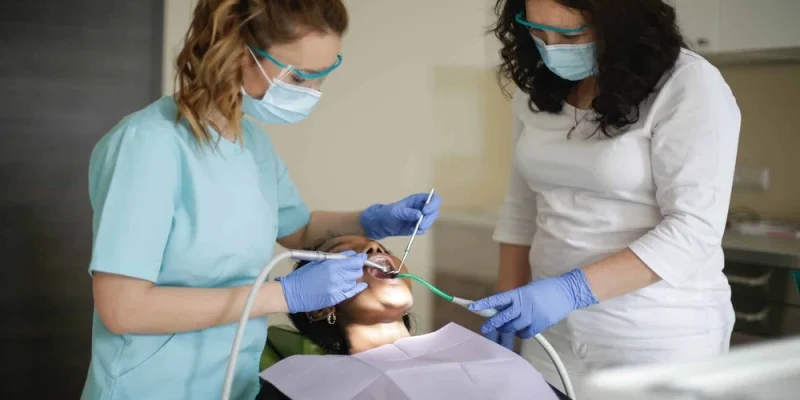
You bite into something soft, maybe toast or a sandwich, and one tooth answers with a sharp jolt. That kind of pain can make you chew on one side, second guess every meal, and wonder if you are dealing with a crack, a cavity, or something worse. If that sounds familiar, you are not overreacting. Pain when you bite down often points to a specific problem, and a trusted Abilene dental practice dentists use a careful process to find the source instead of guessing.
The short version is simple. How dentists evaluate tenderness when you bite down usually involves a conversation about your symptoms, a visual exam, tapping and bite tests, gum and nerve checks, and often dental X rays. The goal is to learn whether the pain comes from the tooth itself, the ligament around it, the pulp inside it, a crack, a high filling, or nearby gum tissue. That matters because the right treatment for one cause can be the wrong treatment for another.
Bite pain gives dentists clues about what is happening inside the tooth
Pain on biting is not all the same. Some people feel it only when they press down. Others feel it when they release pressure. That difference matters. Pain when you bite can happen when the ligament around the tooth is inflamed, when decay has reached the nerve, when a filling sits too high, or when a tooth has a crack that flexes under pressure. Pain on release can raise more suspicion for a cracked tooth because the pressure briefly shifts the crack edges.
A general dentist starts with details that may seem small to you but are useful in diagnosis. Was the pain sudden or gradual. Is it one tooth or hard to locate. Does cold trigger it too. Did you recently get a filling, crown, or start clenching at night. Have you bitten down on something hard. Those answers help narrow the list before any tools come out.
This is where many people feel frustrated. Tooth pain is often easy to feel and hard to describe. You may know exactly which side hurts but not which tooth. You may also worry about cost, missed work, or needing a root canal. That uncertainty is common, and it is one reason dentists test the tooth in several ways before recommending treatment.
The exam for tooth pain when chewing is a step by step process
The first part is visual. The dentist looks for decay, worn spots, fractures, swelling, gum changes, and old dental work that may be leaking or sitting too high. A bright light and magnification can make a fine crack more visible. If food packing between teeth is part of the problem, that can show up here too.
Next comes touch and pressure testing. The dentist may gently tap the tooth and compare it with nearby teeth. Tenderness to tapping can suggest inflammation in the ligament around the root. A bite test is often more specific. You may be asked to bite on a small tool one cusp at a time so the dentist can learn exactly where pressure causes pain. This is one of the most useful parts of dentist bite pain assessment because it can help expose a cracked cusp or a stressed ligament that does not show clearly on an X ray.
Gum probing also matters. A narrow deep pocket in one area can support concern for a crack that extends below the gumline. Mobility is checked too. A loose tooth may point to trauma, bone loss, or infection. If the tooth seems alive but irritated, thermal or pulp testing may be used to see how the nerve responds. A very strong lingering cold response can fit inflamed pulp. No response at all can suggest a dead nerve. The American Dental Association offers guidance on toothache pain management, and that starts with finding the cause instead of masking it.
Imaging fills in the rest. Dental X rays can show deep decay, infection at the root tip, bone loss, or problems under older restorations. They do not always reveal a crack, which is why a normal X ray does not always mean the tooth is fine. For a broader clinical overview of dental pain and diagnosis, the NCBI review on orofacial pain is useful.
Common causes of tenderness when biting down do not all need the same treatment
A tooth that hurts under pressure might need a simple bite adjustment if a recent filling is too high. That can be a fast fix. A cracked tooth may need a crown to hold it together, though deeper cracks can lead to root canal treatment or extraction. If the pulp is inflamed beyond recovery, root canal therapy may be the best way to keep the tooth. If the problem is gum related, treatment may focus on cleaning, reducing inflammation, and changing home care.
That is why self diagnosing can backfire. What feels like a cavity may be a crack. What feels like a crack may be clenching. What if you wait and chew around it for weeks. A small crack can worsen, and a reversible irritation can become a more serious nerve problem.
Home monitoring and professional evaluation are not equal when bite tenderness persists
| Approach | What You Can Learn | Main Risk | Best Use |
|---|---|---|---|
| Home monitoring for 24 to 48 hours | Whether the pain is improving, staying the same, or getting worse | Missing a crack, infection, or worsening pulp problem | Mild soreness after biting something hard, with no swelling or lingering pain |
| Over the counter pain relief | May reduce discomfort temporarily | Can hide symptoms without fixing the cause | Short term support until a dental visit |
| Professional tooth pain when chewing exam | Pinpoints whether the cause is a crack, filling issue, pulp inflammation, gum problem, or infection | Very low, aside from delay if you postpone care | Pain that repeats, localizes to one tooth, or comes with temperature sensitivity |
For pain relief, the ADA chairside guide on adult pulpitis pain recommendations outlines evidence based medication options. Those measures can help you get through the day, but they do not replace diagnosis by a general dentist.
What you can do right now if biting hurts
Stop testing the tooth. It is tempting to keep biting on it to see if the pain is still there. That usually irritates the area more and can worsen a crack. Chew on the other side and avoid hard, sticky, or crunchy foods.
Track the pattern. Notice whether the pain hits on pressure, on release, with cold, or all by itself. Write down when it started and whether you recently had dental work. Those details help the dentist reach an answer faster.
Book an exam if the pain repeats. If tenderness lasts more than a day or two, wakes you up, comes with swelling, or feels stronger each time you chew, schedule a dental visit. Bite pain has a cause, and the sooner it is identified, the better the odds of simpler treatment.
Prompt care can protect the tooth and reduce the stress
Bite tenderness has a way of taking over your attention because eating is constant and pain is hard to ignore. The good news is that dentists have a clear method for sorting out the cause. A careful exam, targeted tests, and the right imaging usually reveal what the tooth is trying to tell you. If biting down keeps hurting, do not wait for it to explain itself more loudly. Schedule a visit with a general dentist and get the problem checked before a manageable issue turns into a bigger one.







Comments