
 By

Estate sale items in a home
Whether it’s downsizing or cleaning out a relative’s home, many Charlotte homeowners find that they have a house full of belongings they no longer want or need. Some of these items are still worth a great deal of money, however, and it makes sense to consider hosting an estate sale. Here are a few things to know before getting started.
Decide What the Sale Must Accomplish
It’s helpful to define your goals before deciding whether an estate sale is the right solution for you. Are you trying to get your home cleaned out in time for a closing or listing? Downsizing and moving into a smaller home? Cleaning out a relative’s home? Dealing with all of the excess belongings that remain after downsizing? If any of these sound familiar, an estate sale may be the perfect option for you.
Unlike consignment and other sale types, the goal of an estate sale isn’t necessarily to get top dollar for every item. Instead, the focus is on making good progress emptying out a property and getting good value for some of the items in the process.
An estate sale is an efficient way to get rid of a lot of stuff all at once, and it’s an excellent option if you’d rather not list every item for sale individually online or host one-on-one appointments to try to find buyers.
Remove Private and Personal Items
Before items can be priced and placed for sale, you’ll want to remove any valuables and important belongings that shouldn’t be sold. Take medications, important financial and personal records, and any family heirlooms or other special mementos out of the mix. You may also want to remove any items that you’re planning on giving to friends or family members so they aren’t accidentally put up for sale.
Other items to remove from an estate sale before it begins include:
- Important documents
- Personal photos
- Spare cash
- Extra house and garage door keys/remotes
Organize What Buyers Will See
An estate sale requires a lot of work behind the scenes before the doors are even opened to the public. In order for it to run smoothly on sale day, belongings will need to be organized, priced, and set up for browsing ahead of time. This may include strategically setting up furniture, shelving, display cases, and more, to make it easy for visitors to move through the space and browse comfortably and safely; the practical side of www.caringtransitions.com for Charlotte Estate Sales starts there.
While you’re organizing your home for an estate sale, you may also want to pay special attention to any artwork, antiques, jewelry, coins, tools, or other collectibles that you know or suspect may be worth more than “just clutter.” You don’t necessarily want to assume that every old piece of furniture or knickknack in your home is valuable, but it’s nice to be aware of anything that may be so that you’re not accidentally giving it away along with everything else.
On the other hand, if most of your belongings can be hauled away or donated and there are only a few items that are worth selling, an estate sale may be overkill. You may want to consider listing these items individually instead.
Price and Run the Sale With Clear Boundaries
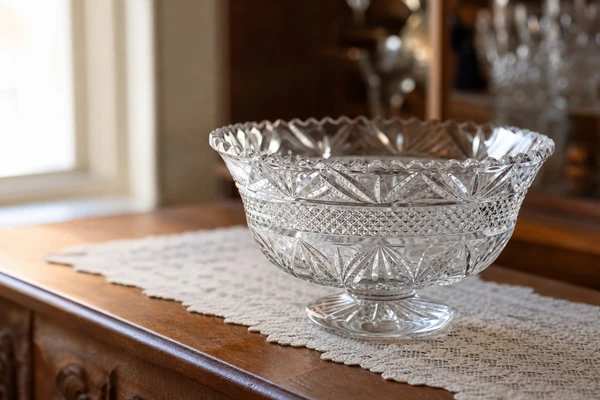
Estate sale items arranged for sale
- Clean, complete, usable items with mass-appeal will likely sell faster and for more money than damaged, incomplete, or used-up items.
- In general, large items are harder to sell than smaller ones. For example, a well-priced dining room table may fly off your shelves, but visitors may be less likely to take home a massive entertainment center or beat-up couch.
- Price everything! While some people host estate sales with the understanding that visitors can offer whatever they like for items, you’ll likely have an easier time if visitors can see prices at a glance. This will prevent you from having to haggle over the price of every little item that catches someone’s eye.
Plan for Unsold Items and the Next Step
Before hosting your estate sale, discuss what will happen with any unsold items afterward. Will they be donated, picked up by other family members, resold, thrown away, etc.? Who will be responsible for what? Having a plan for the remainder of your items after the sale is over will help you avoid unpleasant surprises once your sale is over.
Likewise, consider how your home will be used after the sale. Will it need to be cleaned, repaired, or staged for the next steps? Consider all of the moving pieces involved in hosting an estate sale, laid out without much jargon at www.forbes.com/home-improvement/moving-services/how-to-have-an-estate-sale, so that you can walk away from it feeling victorious, not defeated!
Recheck Whether a Sale Still Makes Sense
While an estate sale can be an effective way to make sense of all of the stuff in your home, it’s not necessarily right for everyone. Before you schedule your estate sale, take inventory of what you have on a room-by-room basis. Make a list of items that you know you want to keep and those that you think might warrant further research. Then you can make a more educated guess as to whether an estate sale can streamline the next phase of this transition for you and your family.








Comments