
 By
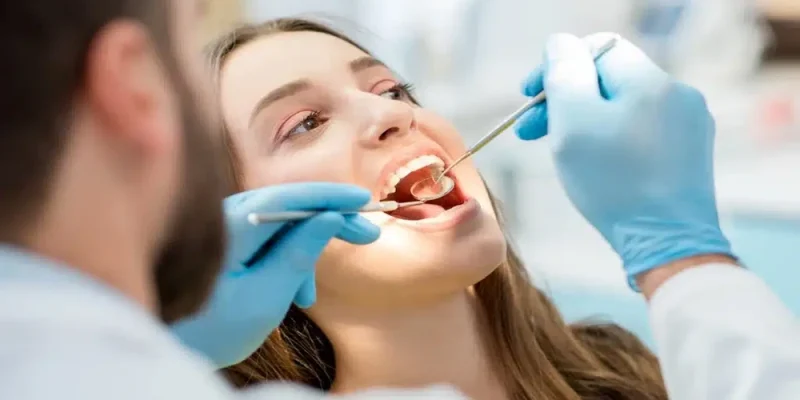
You already have enough to keep track of. School forms, work deadlines, sports schedules, meals, bills, and the quiet mental list that never seems to end. That is why choosing a trusted Harrisonburg dentist office can make dental care easier to manage before problems start. Dental care often gets pushed into the category of “we’ll deal with it when something hurts,” especially when no one is complaining. That is usually how small issues turn into bigger ones, and bigger ones tend to cost more, take more time, and create more stress for the whole family.
Preventive dental care works because it catches problems early, before they interfere with eating, speaking, sleeping, learning, or your budget. A trusted family dentist helps you build routines that protect children as they grow and helps adults stay ahead of decay, gum disease, and avoidable treatment. That is the real reason preventive family dental care matters. It supports health now and makes the future easier.
Preventive care protects more than teeth
It often starts small. A child skips brushing well for a few weeks. An adult notices bleeding gums and ignores it because life is busy. A tiny cavity does not feel urgent, until it becomes a toothache during a school day or before a work meeting. You are not careless if this sounds familiar. You are living a full life, and dental problems are easy to miss until they demand attention.
The trouble is that oral health issues do not always stay in the mouth. The CDC explains that preventing oral disease through daily care and regular dental visits lowers the risk of cavities and gum problems that can become painful and expensive. For children, the effect reaches beyond discomfort. Missed school, trouble concentrating, and difficulty eating can follow untreated dental disease. The CDC also notes that oral health affects school attendance, learning, and overall well-being, which is one reason early habits matter so much.
Prevention gives you a chance to stay ahead of all of that. Cleanings remove buildup that brushing at home cannot fully handle. Exams can catch weak spots before they turn into cavities. Fluoride, sealants, and guidance on brushing, flossing, and diet give children a stronger start and help adults maintain healthy teeth longer. That is how family oral health prevention becomes part of daily life instead of an emergency response.
Regular visits make dental care easier for children and adults
When care is routine, it feels normal. Children who grow up with regular checkups are more likely to see the dentist as a familiar part of staying healthy, not as a place they only visit when something is wrong. That matters because fear often grows in silence. If the first dental memory is pain or urgent treatment, the next appointment becomes harder to schedule, harder to attend, and harder to trust.
Adults benefit in a different way, but the pattern is similar. You may think, “My teeth seem fine, so I can wait.” Then sensitivity shows up, a filling cracks, or gum irritation keeps coming back. Routine appointments create a record over time. Your dentist can notice changes in enamel, bite, gums, and habits before those changes become complicated.
That approach also aligns with current research. The National Institute of Dental and Craniofacial Research reports that dental visits are increasing with support for pediatric providers, reflecting a stronger focus on getting children connected to care earlier. Earlier access usually means fewer untreated problems and better long term outcomes.
Preventive care usually costs less than delayed treatment
Many families postpone visits because they are worried about cost. That concern is real. The hard part is that waiting often creates the very financial strain you were trying to avoid. A cleaning and exam are usually far less disruptive than a filling, crown, extraction, or emergency visit. Add missed work, missed school, and the stress of fitting urgent care into a packed week, and the price of delay goes beyond the bill.
| Situation | Preventive approach | Likely result |
|---|---|---|
| Early plaque buildup in a child | Cleaning, fluoride, brushing guidance | Lower chance of cavities and less anxiety about future visits |
| Small cavity found at a routine exam | Simple filling | Shorter appointment and less invasive treatment |
| Bleeding gums ignored for months | Periodontal evaluation and regular maintenance | Better chance of controlling gum disease before tooth support is affected |
| Dental pain after long gaps in care | Emergency exam and restorative treatment | Higher cost, more time, and more stress for the family |
Preventive dentistry for families is not about doing everything perfectly. It is about making steady choices that reduce the odds of pain, rushed decisions, and larger treatments later.
Small habits at home strengthen what happens at the dental office
A family dentist can clean, examine, and guide, but the daily pattern at home is what keeps that progress going. Two minutes of brushing twice a day, flossing once a day, and paying attention to sugary drinks and frequent snacking make a real difference. For younger children, supervision matters longer than many parents expect. A child may want independence before they have the hand skills to brush well.
This is where many families feel frustrated. You remind, they resist, mornings get rushed, and bedtime becomes a negotiation. That does not mean the routine is failing. It means the routine needs to be simpler and more consistent. Same time, same order, same expectations. The goal is not perfection. The goal is a pattern your family can keep.
Three practical steps you can take now
Schedule routine visits before there is a problem. Put preventive appointments on the calendar the same way you handle annual checkups or school events. When visits are planned in advance, they are less likely to be delayed until pain forces the issue.
Do a quick home reset. Replace worn toothbrushes, check that everyone has fluoride toothpaste, and make floss easy to reach. If your child struggles with brushing, stay nearby and help with the hard to reach spots.
Choose one habit to improve this week. Cut back on sipping juice or soda through the day, add a nighttime brushing check, or set a timer so brushing lasts a full two minutes. One change done consistently is more useful than five changes that disappear after three days.
Lifelong healthy smiles are built in ordinary moments. A cleaning kept on schedule. A cavity caught early. A child learning that dental care is just part of staying well. A parent deciding not to wait until something hurts. That is why preventive care matters so much. It protects comfort, confidence, time, and peace at home. If your family has been putting dental visits off, this is a good time to book the next appointment with a family dentist and get everyone back on track.






Comments