
 By
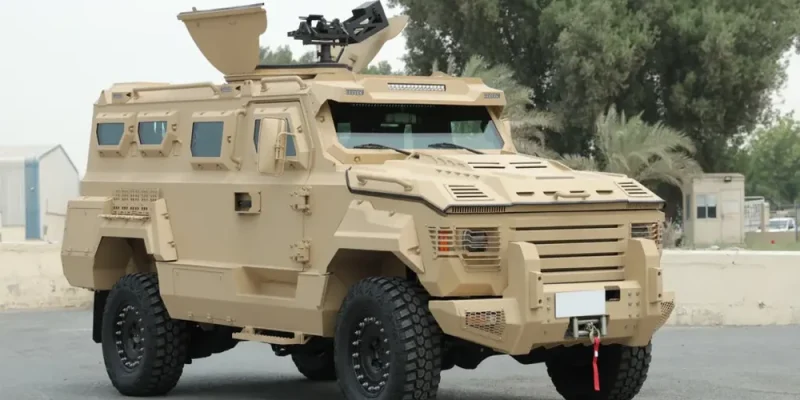
Glass windows that repel bullets, reinforced body panels, and luxury interiors that rival high-end sedans, these are just some of the reasons armored cars are no longer reserved for heads of state. As the demand for personal and business security grows, understanding what truly matters in an armored vehicle becomes more critical than ever.
What Makes an Armored Car Different from a Regular Vehicle?
Armored cars are born from necessity, not luxury alone. The core difference lies in the meticulous engineering and materials that transform a conventional car into a moving fortress. Reinforced steel panels, layers of ballistic glass, and upgraded mechanical systems turn otherwise ordinary vehicles into safe havens on wheels.
Key Types of Armored Vehicles: Cars, SUVs, and Cash-in-Transit Trucks
Not all armored vehicles look the same or serve the same purpose. Sedans are often chosen for discreet protection, while SUVs offer both luxury and extra space. Then there are cash-in-transit (CIT) trucks, engineered for the secure transport of valuables. Your choice depends not only on comfort or capacity but on the threats you anticipate.
Understanding Ballistic Protection Levels and Standards
Protection is not one-size-fits-all. International ballistic standards (like NIJ and CEN) classify armor from basic handgun resistance to high-powered rifle defense. Selecting the right protection level requires a clear risk assessment. For example, a Level B4 vehicle might withstand handgun fire, while Level B7 is built for more severe threats.
Which Security Features Are Essential for Your Armored Vehicle?
The most advanced armor is useless if other vulnerabilities are ignored. Critical features include reinforced doors and roofs, run-flat tires, and engine bay protection.
What Types of Ballistic Glass and Armor Materials Are Used?
Ballistic glass is a multi-layered sandwich of glass and polycarbonate, designed to absorb and deflect projectiles without shattering. Armor plating typically uses hardened steel or lightweight composites. The choice of materials not only impacts protection but also affects the vehicle’s weight and performance.
How Do Security Systems Like Alarms and Surveillance Cameras Enhance Safety?
Modern armored vehicles often incorporate integrated security systems: panic alarms, GPS trackers, and surveillance cameras. These layers of protection deter attackers and provide critical information in emergencies, turning the car into a mobile command center.
What Role Do Spare Parts and After-Sale Service Play in Longevity?
An armored vehicle is an ongoing investment. Readily available spare parts and responsive after-sale service can mean the difference between minimal downtime and prolonged vulnerability. Providers like Troy Armoring bulletproof vehicles are recognized for combining high security with reliable support long after delivery.
How Should You Evaluate the Armoring Process and Build Quality?
A quality armored car starts with a disciplined build process. Every modification must be thoroughly planned and executed to preserve the vehicle’s integrity and safety.
Why Is Chassis Inspection and Preparation Crucial?
Before the armoring even begins, the original chassis undergoes careful inspection and preparation. Any weak points are reinforced to handle the extra weight and maintain structural safety, a step that no reputable armorer will skip.
What Upgrades to Suspension and Brakes Are Needed for Added Weight?
Armoring adds hundreds of kilograms to any vehicle. Upgraded suspension and brakes are essential to maintain normal handling, ride comfort, and reliable stopping distances, all while carrying the significant burden of ballistic protection.
How Is Quality Control Ensured During Assembly?
Rigorous quality control ensures that every weld, panel, and electronic system meets strict standards. Trusted manufacturers execute multi-stage inspections throughout the build to guarantee both safety and long-term durability.
What Comfort and Luxury Features Should You Expect from an Armored Car?
Security does not have to come at the expense of comfort. Today’s armored cars often match or surpass their civilian counterparts in luxury.
How Does Armoring Affect Interior Space and Design?
Contrary to myth, top-tier armoring can be virtually invisible from inside the cabin. Skilled craftsmanship ensures minimal loss of interior space, preserving ergonomics and aesthetics.
What VIP Package Options Are Available for Armored SUVs and Sedans?
From executive seating and entertainment systems to privacy partitions and custom finishes, many armored SUV and sedan models can be tailored for VIP travel. The challenge is balancing luxury with practical features like intercoms and emergency exits.
How Important Is Customization and Personalization When Choosing an Armored Vehicle?
No two clients face identical threats. The ability to customize is what sets premium solutions apart.
Can You Choose Specific Protection Levels Based on Threat Assessment?
Manufacturers can tailor armor and security systems to match your unique risk profile, whether you require discreet protection for urban environments or maximum defense for high-risk territories.
How Flexible Are Manufacturers in Meeting Unique Client Needs?
Leading firms are equipped to create bespoke solutions, from custom interiors to unique body styles, ensuring your armored vehicle reflects your tastes and addresses your precise security requirements.
What Are the Practical Considerations Before Purchasing an Armored Vehicle?
The decision to invest in armored transportation goes beyond features.
What Is the Impact on Vehicle Performance and Fuel Efficiency?
Extra weight from armoring inevitably reduces acceleration and fuel efficiency. However, advancements in materials and engineering help mitigate these effects, allowing most armored models to retain much of their original drivability.
What Are the Legal and Insurance Implications of Owning an Armored Car?
Ownership laws and insurance requirements vary by region. Always consult local regulations and ensure you have the right policy in place before committing to an armored vehicle.
How to Find Reliable Dealers and Verify Certifications?
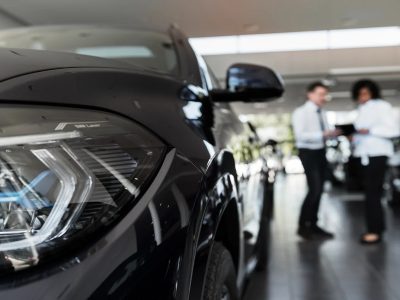
Seek out manufacturers and dealers with a proven track record, transparent certification processes, and authentic ballistic testing. Certifications should be verifiable and recognized within the industry.
How Do Post-Purchase Services Affect Long-Term Safety and Vehicle Value?
Long-term safety and value hinge on consistent, expert support. Maintenance services, reliable access to spare parts, and global support networks minimize downtime and ensure your investment endures. When seconds count, knowing help is just a call away can be as essential as the armor itself.
Choosing an armored car is about more than just picking the toughest shell. It is about selecting a complete package of safety, performance, comfort, and service, qualities that define the very best in the business.







Comments