Using Future-First Technology to Deliver High-Quality Learning in Schools

As the world evolves at unprecedented speed, the role of technology in education has shifted from being a helpful supplement to an essential pillar of high-quality learning. Schools that adopt a future-first approach—integrating modern tools, digital literacy, and innovative teaching practices—are not only keeping pace with change but actively preparing students for the world they will inherit.
Here’s how future-first technology is transforming education and elevating learning outcomes in schools.
Personalised Learning for Every Student
Technology enables teachers to tailor learning to individual needs more effectively than ever before. Adaptive learning platforms can analyse students’ progress in real time, identifying strengths, highlighting areas that need support, and adjusting tasks accordingly.
This personalised approach helps students learn at their own pace, deepen their understanding, and develop greater confidence—all while giving teachers detailed insights to guide instruction.
Improving Engagement Through Interactive Tools
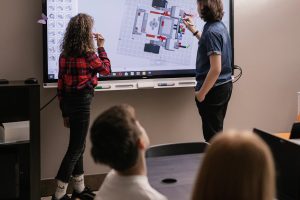
Interactive technology brings learning to life. Smart boards, virtual labs, gamified platforms, and augmented reality experiences immerse students in dynamic, hands-on learning.
Whether it’s exploring ecosystems through VR, using digital microscopes in science lessons, or collaborating on cloud-based projects, future-first tools capture attention and make learning more meaningful.
Enhancing Collaboration and Communication
Modern workplaces value teamwork, communication, and problem-solving—and future-first technology helps students develop these skills early.
Tools such as shared online workspaces, video conferencing, and collaborative documents allow students to work together in real time, whether they’re in the same classroom or across the world. These digital skills mirror the collaborative environments they will encounter in university and future careers.
Supporting Teachers with Data-Driven Insights
Technology doesn’t replace great teaching—it strengthens it. Advanced analytics tools give educators a clear overview of student progress, attendance patterns, engagement levels, and learning gaps.
This data allows teachers to make informed decisions, plan targeted interventions, and personalise support, ultimately improving academic outcomes and student wellbeing.
Expanding Access to Global Resources
With the right technology, learning is no longer limited to textbooks or even classroom walls. Students can access a world of high-quality resources—from global libraries and educational videos to online courses and virtual exchanges.
This exposure broadens their horizons, encourages independent learning, and inspires curiosity beyond the curriculum.
Future-Proofing Students with Digital Skills
Preparing students for the future means equipping them with the digital literacy and technical competencies they’ll need in tomorrow’s world.
Coding, digital research skills, cybersecurity awareness, and responsible online behaviour are becoming as fundamental as reading and maths. Schools that adopt future-first technology help students become confident, capable digital citizens.
Making Learning More Accessible and Inclusive
Assistive technologies—such as speech-to-text software, adjustable displays, digital translators, and audio feedback tools—are transforming learning for students with diverse needs.
These tools help create more inclusive classrooms where every student can participate fully and thrive, regardless of their learning style or ability.
Strengthening School–Home Partnerships
Future-first technology enhances communication between schools and families. Parent portals, digital planners, and online progress reports help keep parents informed and engaged.
This transparency supports learning at home and fosters a strong partnership focused on each student’s success.
A future-first approach to technology does far more than modernise the classroom—it elevates learning, empowers teachers, and prepares students for an ever-changing world. Schools that embrace innovation aren’t just keeping up with the future; they’re shaping it.
By thoughtfully integrating cutting-edge tools and fostering a culture of digital confidence, schools can deliver truly high-quality learning that equips every student to thrive in life, work, and beyond.