
 By
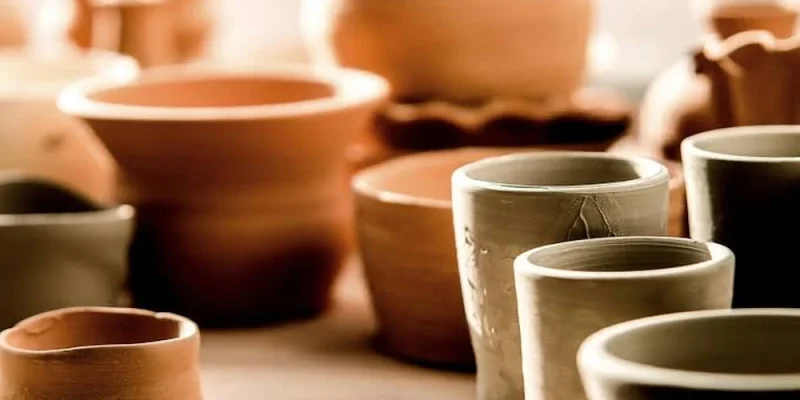
Japan has a deep respect for craftsmanship. Across the country, artisans continue traditions that have been refined over centuries, producing pottery, lacquerware, textiles, and paper with remarkable skill. These crafts are not only beautiful; they reflect regional identities, local materials, and a philosophy that values patience and care.
For travelers, discovering these crafts can be one of the most rewarding parts of a trip. Whether visiting workshops on a Japan cruise or exploring craft towns on a land journey, there are many ways to see artisans at work and bring home meaningful pieces. Here is an introduction to some of Japan’s most notable craft traditions.
Pottery and Ceramics
Japan has many distinct pottery traditions, each shaped by local clay and firing methods.
- Arita ware: Fine porcelain from Saga Prefecture, known for delicate painted designs.
- Bizen ware: Unglazed stoneware from Okayama, prized for natural, earthy finishes.
- Mashiko ware: Practical, rustic pottery from Tochigi associated with the folk craft movement.
- Hagi ware: Soft-toned pottery from Yamaguchi, often used for tea ceremony bowls.
Lacquerware
Japanese lacquerware, known as urushi, is made by applying many thin layers of natural tree sap to wood or other materials. The result is durable, glossy, and often decorated with gold or mother-of-pearl. Wajima in Ishikawa Prefecture is especially well known for its high-quality lacquerware.
Textiles and Dyeing
- Nishijin weaving: Elaborate silk brocades from Kyoto, used in kimono sashes.
- Yuzen dyeing: A detailed technique for painting colorful designs on silk.
- Aizome: Indigo dyeing, producing deep blue fabrics.
- Bingata: Brightly colored stencil-dyed textiles from Okinawa.
Washi Paper
Washi is traditional Japanese paper made from plant fibers. It is strong, lightweight, and used for everything from calligraphy and lanterns to sliding screens. Washi-making techniques have been recognized for their cultural importance, and visitors can often try making a sheet themselves at workshops.
Woodwork and Bamboo
Japanese woodworkers are known for precise joinery that often requires no nails. Bamboo crafts, from baskets to tea utensils, are also highly refined. These pieces combine practicality with quiet elegance.
Living National Treasures
Japan honors master artisans through a system that recognizes holders of important intangible cultural properties, often called Living National Treasures. This program, overseen by Japan’s cultural agency, helps preserve traditional skills and pass them to future generations.
How to Experience Crafts While Traveling
- Visit workshops: Many artisans welcome visitors to watch their process.
- Take a class: Short pottery, dyeing, or paper-making classes are widely available.
- Explore craft museums: Regional museums showcase local traditions.
- Shop at craft centers: Many cities have shops dedicated to regional crafts.
Tips for Buying Crafts
- Ask about the maker: Learning the story behind a piece adds meaning.
- Check care instructions: Lacquerware and some ceramics need gentle handling.
- Consider packing: Fragile items may need protective wrapping for travel.
- Look for regional specialties: Buying local crafts supports artisans directly.
Common Mistakes to Avoid
- Rushing through workshops: Crafts reward patience and attention.
- Touching without asking: Some pieces are delicate or still in progress.
- Choosing only mass-produced souvenirs: Handmade pieces carry more character.
Bringing Home a Piece of the Craft
Japanese craft traditions offer travelers a meaningful connection to the people and places behind them. A handmade bowl, a length of indigo cloth, or a sheet of washi becomes more than a souvenir; it is a lasting reminder of the skill and care that define Japanese craftsmanship.








Comments