
 By
By 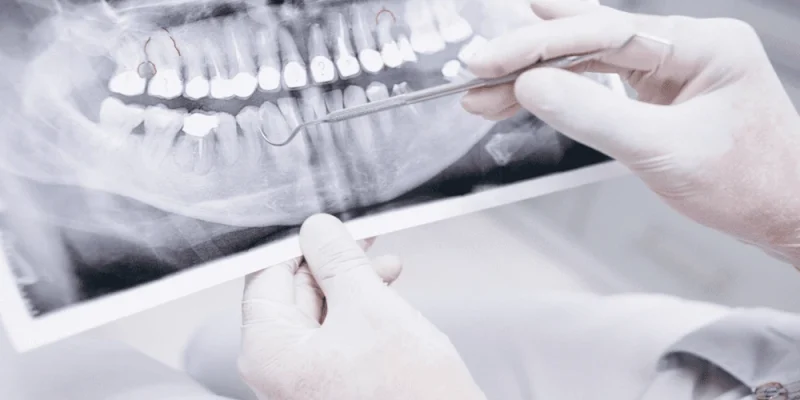
You sit back in the dental chair, a lead apron goes on, and the assistant reaches for the sensor. If you have ever wondered whether dental X rays are really needed, you are not alone. A lot of people feel uneasy about radiation, extra costs, or the idea of finding a problem they were not expecting. That reaction makes sense. Most dental issues do not hurt at first, and that is exactly why X rays matter. They help your dentist in Schaumburg spot decay, bone loss, infections, and changes below the surface before they turn into bigger, more expensive problems.
Understanding The Role Of X Rays In General Dental Care starts with one simple point. A visual exam only shows part of the picture. Teeth touch each other, roots sit under the gums, and bone supports everything you chew with every day. Without images, your dentist is making decisions with missing information. With them, treatment gets more precise, and in many cases, smaller.
Dental X Rays Show What a Routine Exam Cannot
You can brush, floss, and still have trouble developing where you cannot see it. Cavities often begin between teeth. Infections can form at the tip of a root. Gum disease can slowly reduce the bone around a tooth without causing much pain until the damage is advanced. That is where dental radiographs earn their place in care.
A general dentist uses X rays to check for hidden decay, monitor wisdom teeth, evaluate bone levels, examine the roots, and plan treatment such as fillings, crowns, implants, or extractions. Children may need them to track how adult teeth are coming in. Adults may need them to watch changes over time, especially if they have a history of cavities, gum disease, dry mouth, or past dental work.
The American Dental Association explains that X rays are a standard part of oral health care because they help detect conditions early, when treatment is often simpler and less invasive. You can read more in the ADA’s guide to dental X rays and radiographs.
Radiation Concerns Are Real, but Modern Dental Imaging Uses Low Doses
For many patients, the stress comes down to one word: radiation. You hear it and your mind goes straight to risk. That fear is understandable, but the actual dose from modern dental imaging is low, especially with digital systems and proper shielding protocols. The goal is never to take images out of habit. The goal is to take the right images, at the right time, for the right reason.
The FDA supports selecting patients for dental radiographic exams based on their health history, age, symptoms, and risk factors, not on a fixed schedule for everyone. That means your dentist should tailor recommendations to you, not to a one size fits all rule. The FDA outlines that approach in its guidance on the selection of patients for dental radiographic examinations.
If you skip recommended X rays for years, the risk does not disappear. It shifts. A small cavity can become a root canal. Mild bone loss can become a loose tooth. A hidden infection can spread and cause swelling or severe pain at the worst possible time. People often decline imaging to avoid trouble, then end up facing more treatment because the problem stayed hidden too long.
The Benefits and Risks of Dental X Rays Are Not Equal
| Consideration | With Dental X Rays | Without Dental X Rays |
|---|---|---|
| Decay detection | Can find cavities between teeth early | Decay may stay hidden until it grows or hurts |
| Gum and bone health | Shows bone loss and infection below the gums | Bone changes may go unnoticed for months or years |
| Treatment planning | Helps guide fillings, extractions, crowns, and implants | Treatment may be delayed or less precise |
| Radiation exposure | Low dose when used appropriately | No imaging dose, but higher chance of missed disease |
| Long term cost | Can reduce major treatment by catching issues early | Hidden problems often become more expensive later |
The Centers for Disease Control and Prevention notes that X rays are a form of ionizing radiation and that dose matters, which is why medical and dental providers work to keep exposure as low as reasonably achievable. The basic facts from the CDC on X rays and radiation health can help put that risk into context.
This is why oral X rays in general dentistry are not just a box to check. They are a tool. Used well, they prevent guesswork.
General Dental Care Works Best When Imaging Matches Your Risk
Not everyone needs the same number of X rays. A healthy adult with low cavity risk may need them less often than someone with frequent decay, gum disease, or ongoing treatment. A child’s mouth changes quickly, so timing may look different. If you are pregnant, have a history of radiation treatment, or simply feel anxious, say that out loud. Your dentist should explain why the images are recommended and what they are looking for.
General dental care is strongest when it is personal. The right question is not, “Do all patients need X rays this often?” The right question is, “Why do I need these images now?” That conversation gives you a clearer sense of the benefit, the timing, and the alternatives if any exist.
Three Steps You Can Take Before Your Next Dental Visit
Ask what the X rays are meant to check. If your dentist recommends bitewings, a panoramic image, or a full series, ask what each one helps reveal. A clear answer builds trust and helps you make informed choices.
Share your health history and concerns. Tell your dental team if you are pregnant, managing a chronic condition, prone to cavities, or anxious about radiation. Those details affect how often imaging is needed and which type makes the most sense.
Keep copies when you change offices. If you are seeing a new general dentist, transfer recent images when possible. That can prevent unnecessary repeat imaging and gives the new office a better baseline to work from.
Early Detection Makes General Dentist Visits More Useful
Most people do not love getting X rays. They tolerate them because they want answers, they want to avoid pain, and they want to keep treatment manageable. That is the real role of imaging in routine care. It helps catch problems early, protect what is healthy, and support decisions based on evidence instead of guesswork.
If your dentist recommends X rays, ask why, ask what they may show, and ask how often you truly need them. A good explanation usually lowers the stress fast. When imaging is used thoughtfully, it is one of the most useful parts of a visit with a general dentist.





Comments